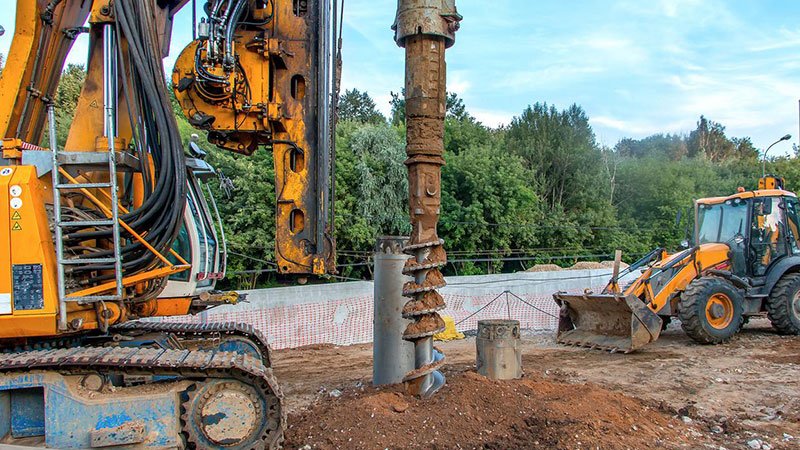
Tapping into the earth's heat is a great idea. But using the wrong rig wastes money and fails to reach the energy source. You need the right machine for the job.
A geothermal drilling rig is a specialized machine designed to drill into the earth to access hot water or steam. It creates wells to bring this heat to the surface for generating electricity or for direct heating purposes, focusing on high temperatures and sustainability.
More and more of my customers are asking about renewable energy. Geothermal power is a popular topic. I always explain that it is much more than just drilling a deep hole. It is about creating a complete, engineered system to harvest the planet's natural heat. A geothermal drilling rig is the heart of this system. It has unique features designed for the extreme heat and tough rock found deep underground. Understanding this machine is the first step toward a successful geothermal project. Let’s explore what makes these rigs special.
How Does a Geothermal Drilling Rig Actually Work?
You know geothermal drilling makes a hole. But the purpose is more complex than just digging. Not understanding the well types leads to an inefficient and unsustainable geothermal project.
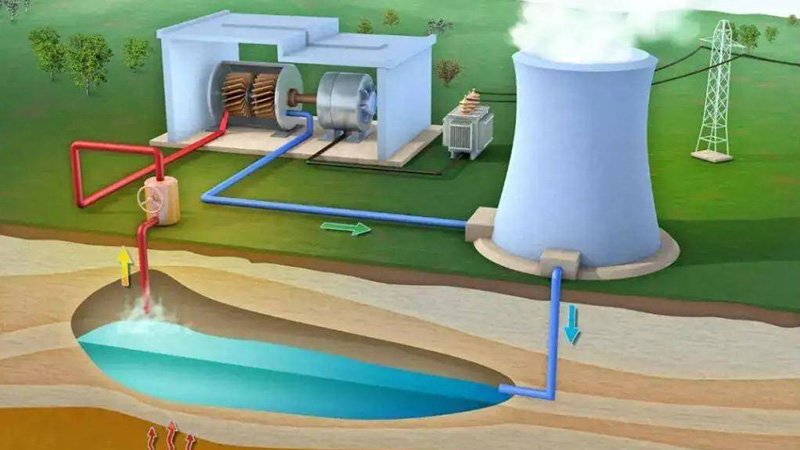
It drills two main types of wells. Production wells bring hot steam or water to the surface to run turbines or heat exchangers. Injection wells then return the cooled water back underground to be reheated, creating a sustainable, closed-loop system for continuous energy.
The core idea is to create a sustainable cycle. I once supplied rigs for a project in Southeast Asia, and the client explained it perfectly. He said, "We are borrowing hot water from the earth, using its energy, and then returning it politely so we can borrow it again tomorrow." This is done with two distinct types of wells.
1. Production Wells
These are the wells that make the money. The goal is to drill into a geothermal reservoir, which is a zone of hot, permeable rock deep underground. The rig drills down and cases the well to bring very hot water or pure steam to the surface under its own pressure. This high-energy fluid is then piped to a power plant to spin turbines and generate electricity.
2. Injection Wells
These wells ensure the system is sustainable. After the steam or hot water has been used, it cools down. This cooled water is then pumped back down into the reservoir through the injection wells. This does two very important things. First, it recharges the reservoir, preventing it from running dry. Second, it maintains the pressure underground, which helps the production wells continue to flow strongly. This creates a giant, natural, and renewable circuit.
| Well Type | Purpose | Fluid Direction | Key Goal |
|---|---|---|---|
| Production Well | To extract heat from the earth | Up to the surface | Maximize flow of hot water/steam |
| Injection Well | To recharge the geothermal reservoir | Down from the surface | Maintain pressure and sustainability |
What Are the Key Components of a Geothermal Rig?
A drilling rig can look like a complicated machine. If you don't know the main parts, you can't choose the right one or fix it when something goes wrong.
A geothermal rig has six main systems. The power system provides energy, the hoisting system lifts heavy parts, the rotary system turns the drill, the drill string is the "long arm," the mud system cools and cleans, and the wellhead control ensures safety.
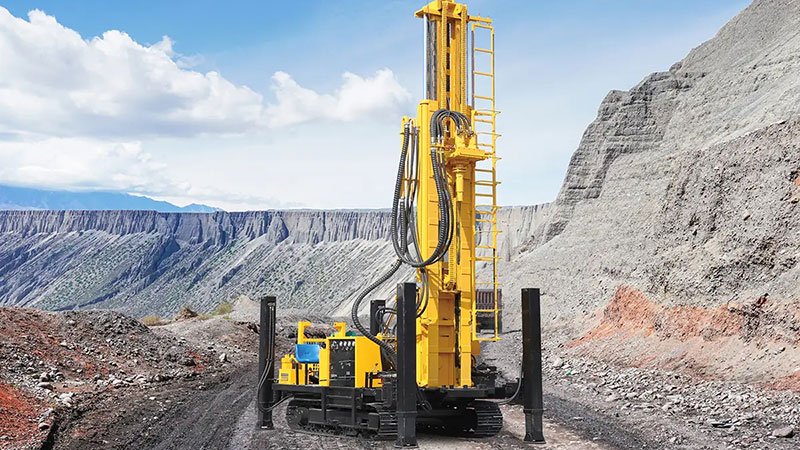
Like any complex machine, a drilling rig is just a group of systems working together. When a customer like Mohammed from Dubai inspects one of my Hardrock rigs, we walk through each system so he understands its function and quality. Here are the six main components you need to know:
1. Power System
This is the engine of the whole operation. It consists of large diesel engines or electric motors that generate the power needed to run all the other systems, especially the hoisting and rotary systems.
2. Hoisting System
This is the "muscle." It includes the derrick (the tall tower), the drawworks (a large winch), and heavy cables. Its job is to lift and lower the drill string, which can weigh hundreds of tons.
3. Rotary System
This system does the actual drilling. It is usually a top drive or a rotary table that grips and rotates the drill string. This rotation, combined with downward pressure, makes the drill bit cut through the rock.
4. Drill String
This is the long arm that reaches deep into the earth. It is made of sections of drill pipe screwed together, with the drill bit at the very end.
5. Drilling Fluid Circulation System
This is critical for geothermal drilling. It pumps a special fluid, called "mud," down the drill string. The mud cools the hot drill bit, cleans the bottom of the hole, and carries crushed rock (cuttings) back to the surface.
6. Wellhead Control System
This is the main safety feature. It consists of a set of massive valves called a Blowout Preventer (BOP). If the rig hits a zone of high-pressure steam, the BOP can seal the well instantly to prevent an uncontrolled release.
How Is a Geothermal Rig Different from an Oil and Gas Rig?
All big drilling rigs look similar. But assuming they are the same is a costly mistake. An oil rig might fail under the unique conditions of a geothermal well.
Geothermal rigs are built to handle much higher temperatures and drill through harder, abrasive rock. They often use larger diameter holes and have a stronger focus on environmental protection, like using closed-loop mud systems, compared to many standard oil and gas rigs.
This is a very important question that I discuss often. While they look related, their design priorities are different. My experience with geothermal companies shows that they place a huge value on durability against heat and environmental care. An oil and gas rig is designed for sedimentary rock, but a geothermal well is often in hard, hot, volcanic rock. This changes everything. A European client once chose a Hardrock geothermal rig specifically because our cooling systems and mud pumps were oversized to handle the extreme heat he expected. He knew a standard oil rig would overheat and fail. Here are the key differences in a table:
| Feature | Geothermal Drilling | Oil & Gas Drilling |
|---|---|---|
| Temperature | Very high (up to 350°C). Requires special bits, mud, and cooling. | Moderate to high. Generally lower than geothermal. |
| Rock Formation | Hard, abrasive igneous and metamorphic rock. Needs high torque. | Softer sedimentary rock (shale, sandstone). Easier to drill. |
| Well Diameter | Larger diameter to maximize steam/water volume. | Typically smaller diameter, focused on fluid pressure. |
| Environmental Focus | High. Often requires closed-loop mud systems and has a smaller footprint. | Focus is on containment, but practices can vary. |
Are There Different Types of Geothermal Drilling Rigs?
You know you need a geothermal rig, but the options are confusing. Choosing a rig that is too large wastes your budget, while one that is too small won't get the job done.
Yes, they are mainly split into two categories. Deep geothermal rigs drill over 1,000 meters for large-scale power plants. Shallow geothermal rigs are smaller, used for ground source heat pump systems for individual buildings, drilling only a few hundred meters deep.
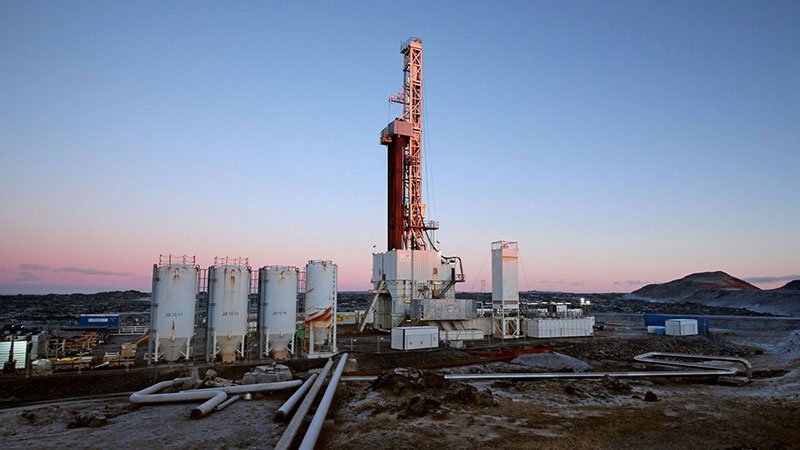
Yes, the type of rig you need depends entirely on your goal. It is a classic case of using the right tool for the job. You would not use a giant construction crane to lift a small box. The same logic applies here. We manufacture both large and small rigs at Hardrock because the market needs both. They are designed for two very different applications of geothermal energy.
Deep Geothermal Rigs
These are the massive rigs used for generating electricity. They drill deep into the earth, often 2,000 to 3,000 meters, to reach high-temperature reservoirs. The scale of these rigs is similar to those used in the oil and gas industry. They are designed for power, durability, and the ability to handle the extreme conditions found miles underground. These projects are for powering entire cities and industrial areas.
Shallow Geothermal Rigs
These are much smaller, often truck-mounted rigs. They are used for Ground Source Heat Pump (GSHP) systems. These systems do not generate electricity. Instead, they use the constant, low-grade heat of the earth (around 10-15°C) to heat and cool buildings. The rig drills a series of shallow wells, typically 50 to 200 meters deep, to install a loop of pipes. These rigs are valued for their mobility, small footprint, and efficiency for residential or commercial projects.
| Feature | Deep Geothermal Rig | Shallow Geothermal Rig (GSHP) |
|---|---|---|
| Purpose | Electricity Generation | Building Heating & Cooling |
| Depth | 1,000m - 3,000m+ | 50m - 300m |
| Temperature | High (150-350°C) | Low / Constant (10-20°C) |
| Rig Size | Very large, stationary | Small, mobile, often truck-mounted |
Conclusion
A geothermal rig is a special tool for tapping earth's heat. Understanding its parts, types, and differences from oil rigs is crucial for any successful renewable energy project.