Misunderstanding the type of boring required can lead to expensive mistakes. It can result in inaccurate data, poor project planning, and even structural failures. Knowing the differences ensures you choose the right method for your project needs.
Investigative soil borings focus on identifying soil contamination and environmental impacts, while geotechnical borings determine the ground's physical properties for construction support. They serve distinct purposes in environmental assessments and construction planning.
In my experience, clients often grapple with choosing between these two types of borings. With Hardrock's tailored solutions, we help eliminate confusion, making sure the methodology matches the project’s goals. Below, we'll contrast and clarify each type based on five distinct points.
Purpose: How Do They Differ in Objective?
Misapplying the purpose of each boring type can derail project timelines and efficiency. This often leads to improper data that can't guide subsequent project phases.
Investigative soil borings are primarily used for environmental analysis, focusing on contamination levels. Geotechnical borings assess soil stability, load-bearing capacity, and stratification, crucial for construction planning.
Understanding these purposes is essential. For example, an investigative boring might be needed in an area with previous industrial activity to check for chemical residues. In contrast, geotechnical borings are indispensable for determining foundation design in new construction. By matching purpose to execution, you ensure your project builds on a solid foundation of reliable data.
Equipment: What Tools Are Used Differently?
Using inappropriate equipment can yield low-quality samples and unreliable data. This could impede critical project decisions and risk safety and regulatory compliance.
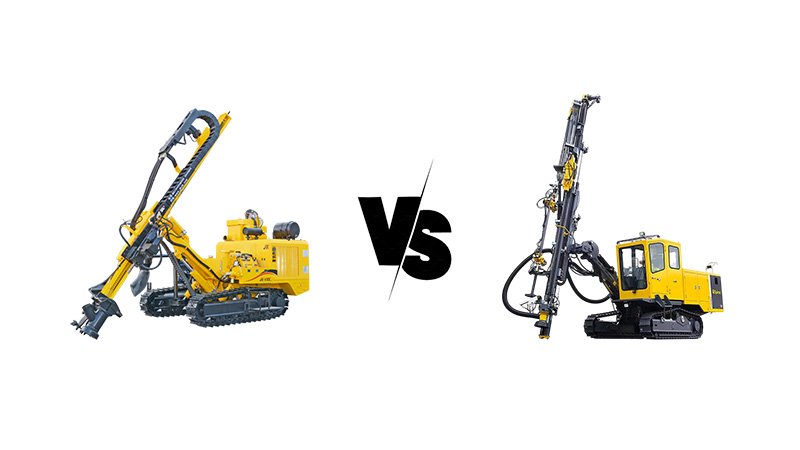
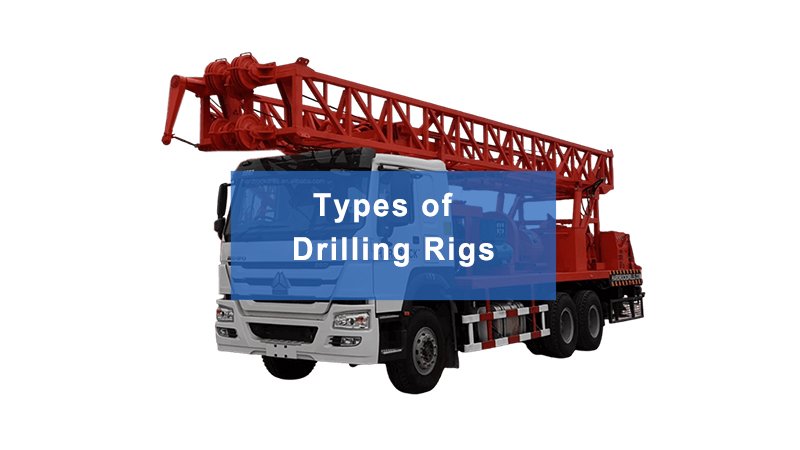
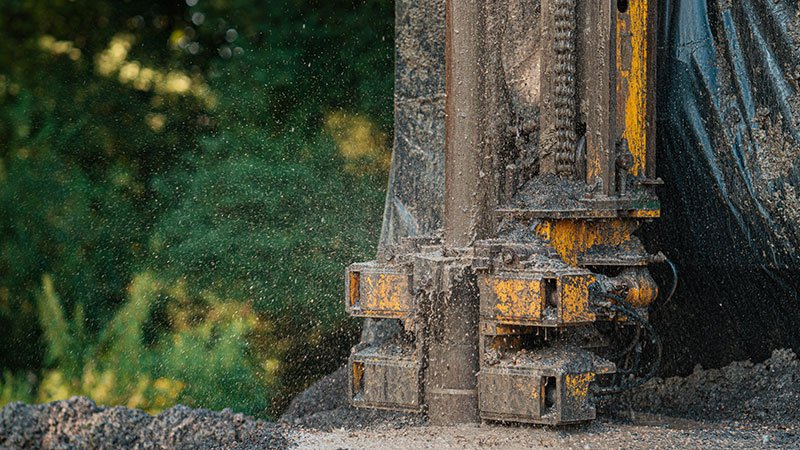
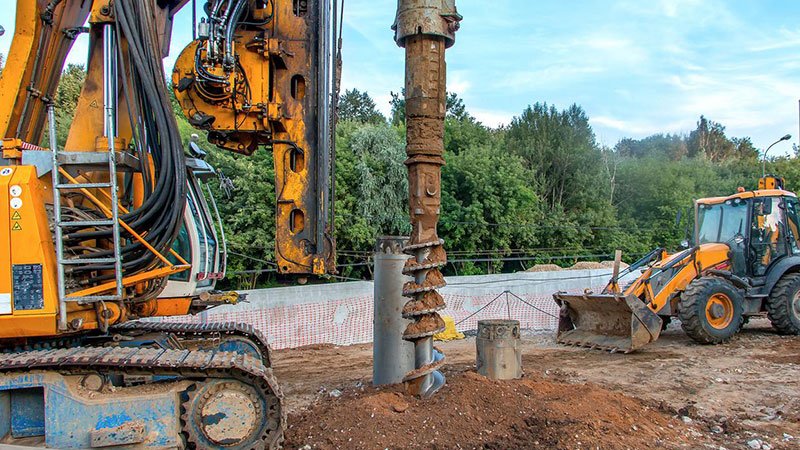
Investigative borings typically employ augers and split-spoon samplers for shallow, undisturbed samples. Geotechnical borings require more robust equipment like drilling rigs with rotary and percussion capabilities for deeper, varied soils.
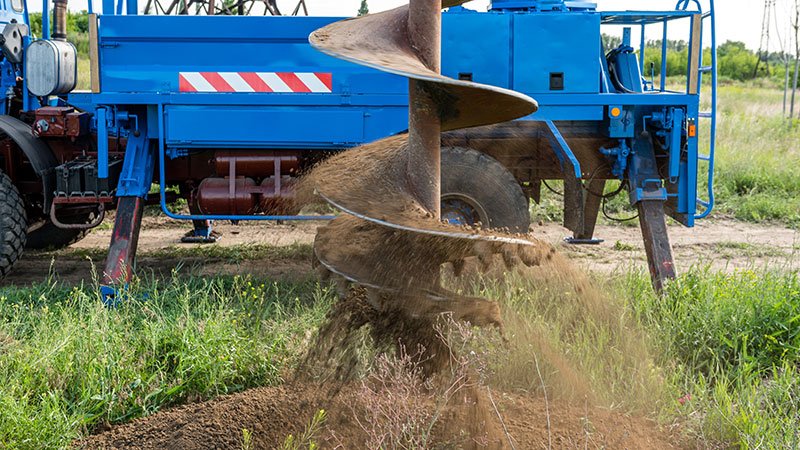
When assisting clients like Mohammed, it's vital to identify and provide the appropriate equipment. Auger drills might suffice for environmental samples, while complex sites need rotary rigs for structural insights. The right tool ensures not only successful data retrieval but also compliance with industry standards.
Sampling Technique: How Are Samples Collected Differently?
Misalignment in sampling techniques can result in data that doesn't reflect true site conditions, jeopardizing project safety and success.
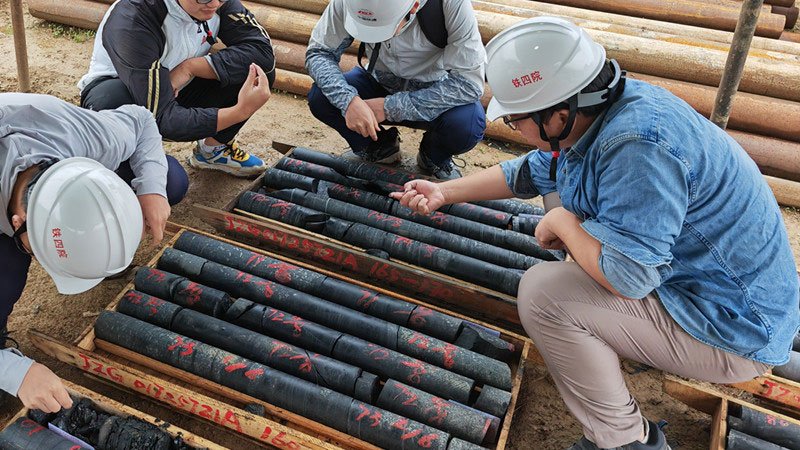
Investigative borings use methods such as shallow sample collection and core sampling to retrieve soil and water samples for contamination assessments. Geotechnical borings focus on larger, continuous samples, essential for engineering properties like compressibility and density.
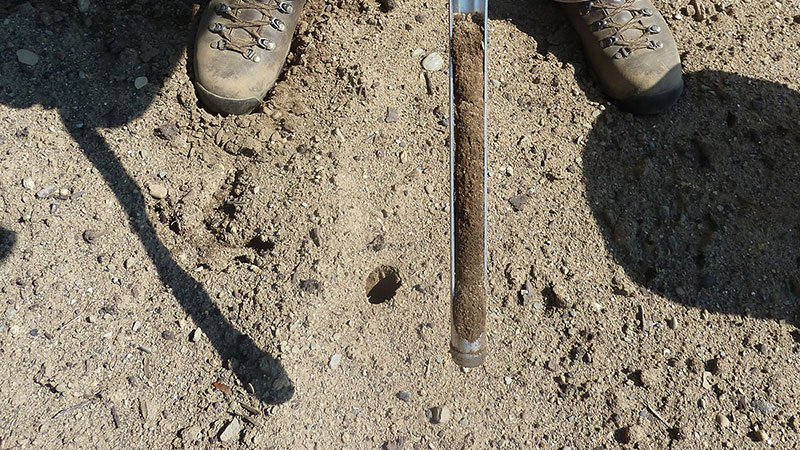
In one noticeable case, a client used investigative techniques for a project needing geotechnical data. The results were insufficient for engineering analysis. After switching to continuous coring, they achieved accurate assessments crucial for stable construction. It's all about aligning technique to the required data outcome.
Data Outcome: What Results Do They Yield?
Incorrect data outcomes may result in flawed engineering models and non-compliance with environmental standards, risking both project timelines and safety.
Investigative borings yield qualitative data focusing on chemical, biological, and environmental conditions. Geotechnical borings offer quantitative data on soil mechanics and material properties for engineering analysis.
When managing projects, the difference in data outcomes between these borings can affect all subsequent conclusions. Ensuring the correct type aligns with project goals prevents misguided planning. I recall aiding a large infrastructure project that transitioned to geotechnical analysis mid-way, averting costly foundation missteps.
Regulatory Requirements: How Do Legal and Compliance Aspects Differ?
Ignoring specific regulatory requirements can lead to legal challenges, fines, and project halts. Compliance with the correct boring methods is critical.
Investigative borings must comply with environmental regulations, focusing on contamination and remediation. Geotechnical borings align with building codes and standards to ensure safety and structural integrity.
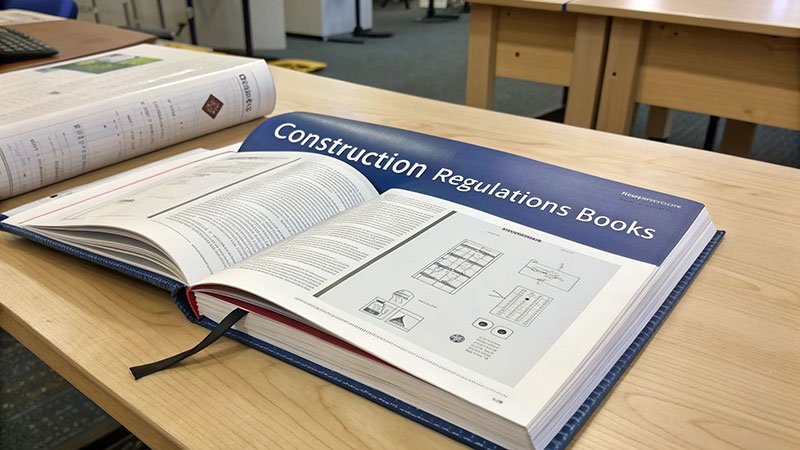
For instance, a client once faced regulatory hurdles because their geotechnical borings didn't meet the stringent requirements for a contaminated site. Redirecting focus to investigative parameters, we ensured compliance and project continuity. Navigating regulations effectively relies on matching boring type to regulatory demands.
Conclusion
Understanding the clear distinctions between investigative soil and geotechnical borings helps avoid project delays and ensures compliance. With Hardrock’s expertise, you can confidently match drilling solutions to the specific needs of your project.