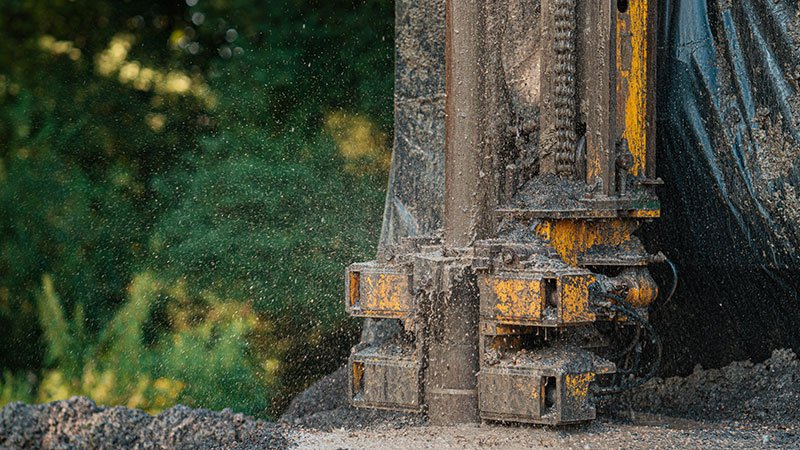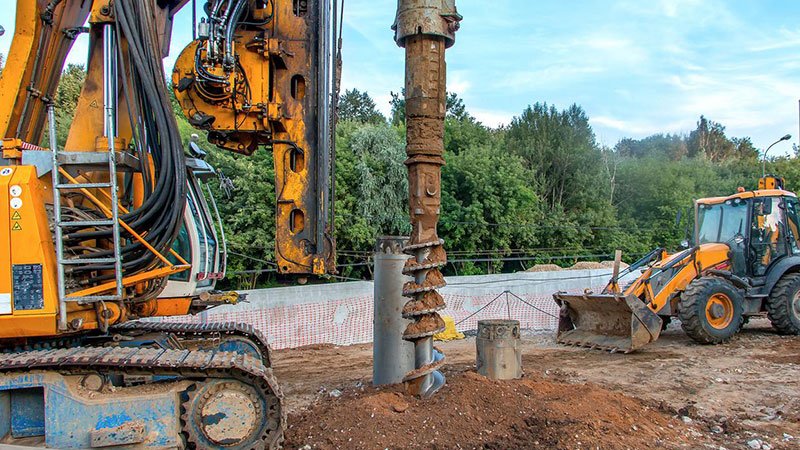
Need a 300-foot well drilled fast? You might think it's quick, but several things affect the timeline. Knowing these helps set realistic expectations.
Drilling a 300-foot well can take anywhere from a few hours to several days, depending heavily on factors like the drilling method1 used, geological conditions, rig type, team experience, and permitting.
At Hardrock, I get this question often. Clients like Mohammed Al-Rahman in Dubai need water wells for their projects, and they need them efficiently. But telling someone an exact time is impossible without knowing the specifics. Drilling a well isn't like digging a hole with a shovel; it is a complex process involving heavy machinery and skilled operators working against natural forces. Many things influence how fast the drill bit moves through the ground and how quickly the whole job finishes. Let me explain the key factors.
What Factors Affect the Time Required to Drill a 300-Foot Well?
Wonder why drilling times vary so much? Many things can slow down or speed up the process. Understand the variables.
The time to drill a 300-foot well is affected by drilling method, geology, rig capability, crew skill, site accessibility, weather, and regulatory requirements.
From my perspective at Hardrock, thinking about how long it takes to drill 300 feet means considering many moving parts. It is not just about putting a bit in the ground and turning it on.
- Geological Formation: Are you drilling through soft sand, hard granite, or fractured rock? This is perhaps the biggest factor.
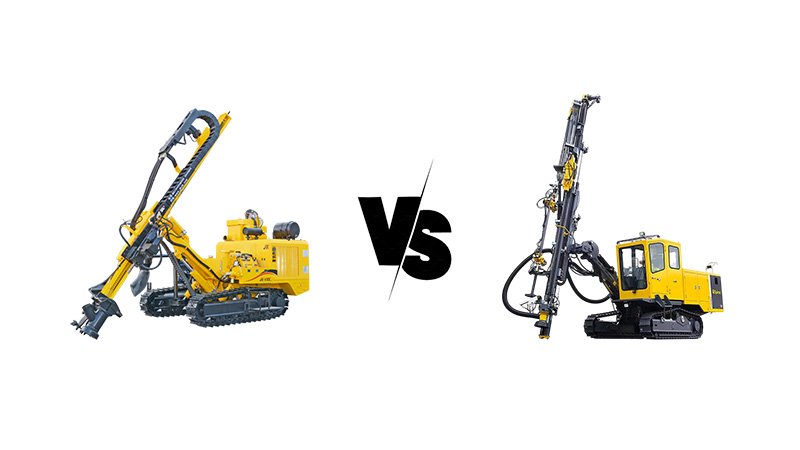
- Drilling Method: Different methods like rotary drilling or DTH (Down-The-Hole) hammering have different speeds.
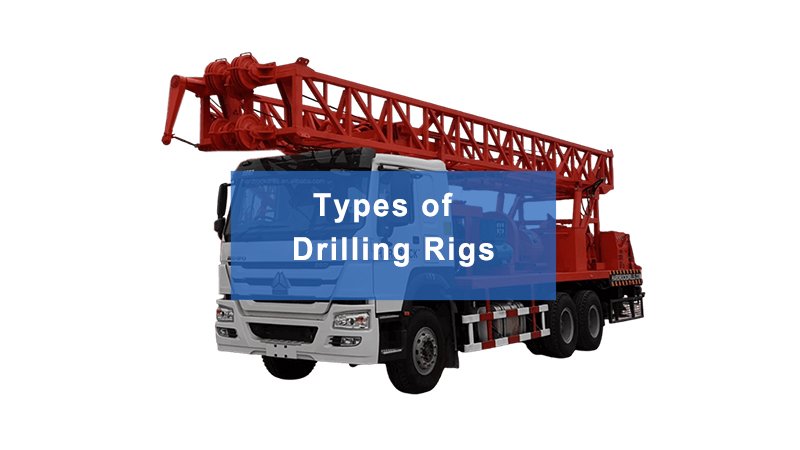
- Drilling Rig Type and Condition: A powerful, well-maintained rig drills faster than an older, less capable one. Our Hardrock rigs are built for efficiency.
- Operator Experience: A skilled crew works efficiently and handles issues faster.
- Site Conditions: Easy access means less setup time. Rough terrain slows things down. Mohammed Al-Rahman's desert sites often have specific challenges.
- Weather: Extreme heat, cold, or storms can cause delays.
- Permits and Regulations: Getting permission and following rules takes time before and during drilling.
Each of these elements adds or subtracts hours or even days from the total job time. You need to evaluate all of them for your specific project.
How Does the Drilling Method Affect the Time to Drill a 300-Foot Well?
Choosing the right method is key. The wrong one can significantly increase drilling time. Match the method to the ground.
The drilling method significantly impacts speed. Rotary drilling might be fast in soft soil, while DTH hammering2 is typically quicker and more efficient in hard rock formations.
The method you use is a major determinant of drilling speed, especially for a 300-foot depth.
- Rotary Drilling3: This method uses a rotating drill bit to cut through the earth. It often uses drilling fluid to remove cuttings. It works well and is quite fast in softer formations like soil, clay, and sand. However, it slows down considerably in hard rock.
- Down-The-Hole (DTH) Hammer Drilling: This method uses a percussive hammer right at the bottom of the hole, combined with rotation. It uses compressed air to power the hammer and lift cuttings. DTH is much faster and more effective in hard rock compared to rotary drilling alone.
- Mud Rotary4 vs. Air Rotary/DTH: Mud rotary is typically slower than air rotary or DTH, but it handles unconsolidated formations better and stabilizes the borehole. Air/DTH is fast in competent rock but struggles in loose, wet ground.
At Hardrock, we design rigs capable of using different methods or combinations. For instance, our water well rigs often feature both rotary and DTH capabilities to adapt to varying ground conditions. The choice of method depends entirely on the expected geology and affects how quickly you reach 300 feet.
Why Do Geological Conditions Impact Drilling Speed?
Drilling through rock takes longer than soil. The ground you drill through is a major speed factor. Understand geology's role.
Geological conditions like rock hardness, formation stability, presence of groundwater, and layers of different materials directly affect how quickly the drill bit can penetrate the earth.
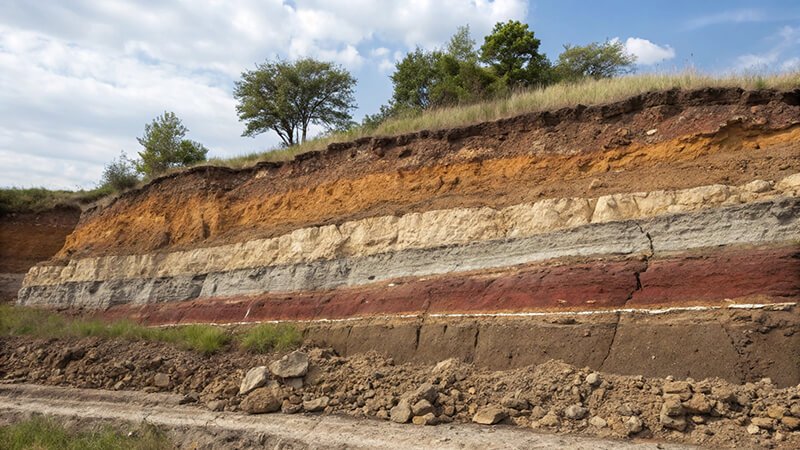
The earth is not uniform. What lies beneath the surface is the biggest variable in drilling speed.
- Hardness: Drilling through granite or basalt is much slower than drilling through soft clay or sand. The rock type dictates how much force and energy is needed to break it.
- Abrasiveness: Some formations wear down the drill bit faster than others. A worn bit drills slowly.
- Formation Stability: Loose, unconsolidated formations can collapse into the borehole, requiring extra time and effort to stabilize the hole or remove fallen material. This is a common issue in sandy areas like those where Mohammed Al-Rahman operates.
- Groundwater: Encountering high water tables or artesian pressure can complicate the drilling process, requiring casing installation or specialized drilling fluids, which takes time.
- Layering: Drilling speed changes as the bit passes through different layers (e.g., soil to gravel to rock). Each transition can require adjustments to drilling parameters.
At Hardrock, we understand that geology is unpredictable. Our rigs are built robustly to handle varying conditions, but encountering unexpectedly hard rock or unstable ground will always extend the time it takes to reach 300 feet.
What Role Does Drilling Equipment Play in the Drilling Timeline?
Old or small rig slowing you down? The equipment you use is critical for drilling speed. Choose the right tool for the job.
The type, size, power, and condition of the drilling rig directly influence how quickly a 300-foot well can be drilled. A more powerful and suitable rig is generally faster.
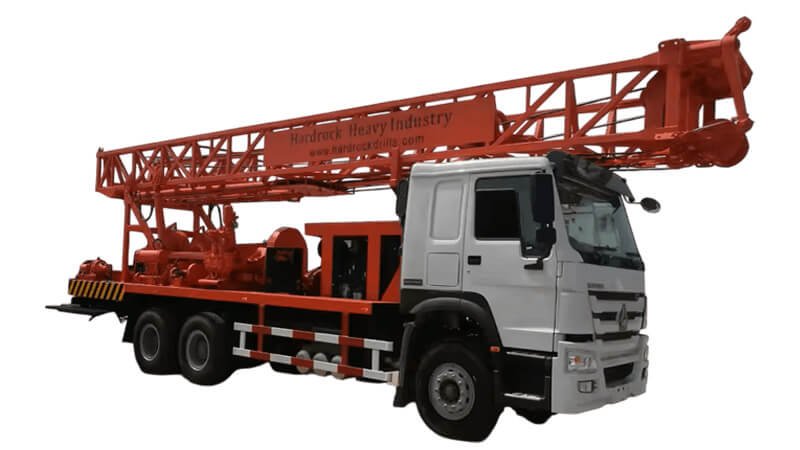
The drill rig itself is a key player in the timeline.
- Rig Power: A rig with a higher horsepower engine and stronger hydraulic systems can apply more downforce and torque, which is essential for faster penetration, especially in tougher formations. Hardrock rigs are known for their robust power systems.
- Rig Type: A rig designed specifically for water wells (like many we sell to Mohammed Al-Rahman) will be optimized for that task, likely making it faster than, say, a small geotechnical rig attempting the same depth.
- Rig Condition and Maintenance: A well-maintained rig operates reliably at peak performance. Frequent breakdowns on an older or poorly maintained rig can add significant downtime. This is why Mohammed Al-Rahman values reliability and spare parts availability so much.
- Tooling: The type and quality of drill bits, rods, and other downhole tools must match the rig and the formation. Using the wrong bit dramatically slows progress.
At Hardrock, our R&D team focuses on building efficient machines. A top-quality, appropriately sized rig from a reputable manufacturer is an investment in faster, more reliable drilling, directly impacting the time it takes to reach 300 feet.
How Does the Experience of the Drilling Team Influence Efficiency?
New team fumbling? An experienced crew makes a big difference. Skilled operators save time and prevent mistakes.
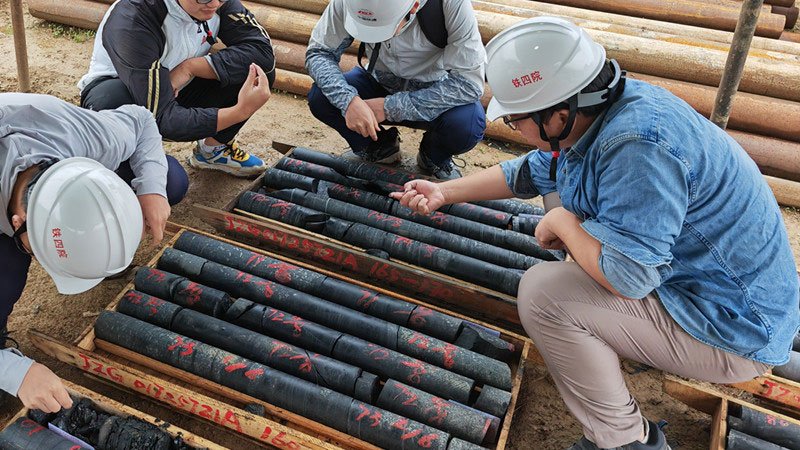
An experienced drilling team5 understands how to optimize drilling parameters, recognize and quickly address potential problems, and manage site logistics efficiently, significantly reducing drilling time.
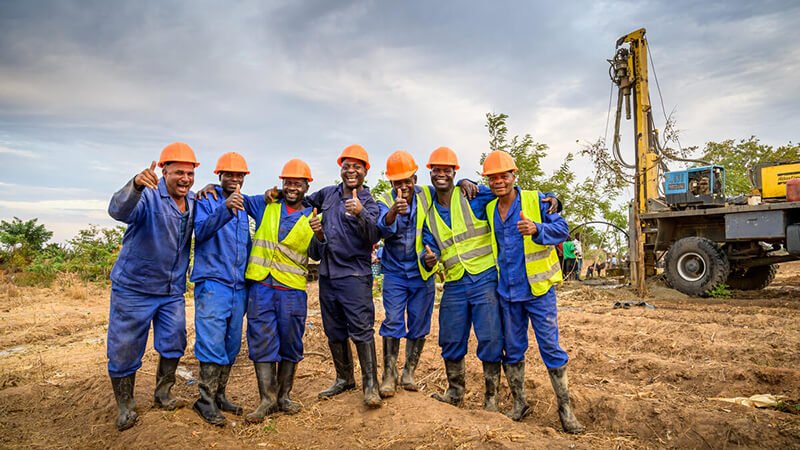
The human element is just as important as the machine.
- Skill and Knowledge: Experienced operators know how to adjust rotary speed, weight on bit, and circulation rates for different formations to maximize penetration rate without damaging equipment.
- Troubleshooting: Problems happen – a stuck drill string, lost circulation, equipment malfunction. An experienced crew identifies and resolves these issues much faster than a novice team.
- Site Setup and Management: Efficiently setting up the rig, managing consumables (like mud or fuel), and handling logistics on site all contribute to overall speed.
- Safety: Experienced teams follow safety procedures diligently, preventing accidents that cause costly downtime.
At Hardrock, we offer technical training support because we know that a skilled operator unlocks the full potential of our rigs. Mohammed Al-Rahman often brings his technical team for inspections, highlighting the value of experienced personnel in his operations. A highly competent crew can significantly reduce the time it takes to drill a 300-foot well compared to an inexperienced one.
How Do Permits and Regulations Affect the Overall Drilling Schedule?
Waiting for permission? Bureaucracy can be slow. Permits add time before you even start drilling.
Obtaining necessary permits, complying with environmental regulations, and navigating local government requirements can add significant non-drilling time to the overall schedule for a 300-foot well project.
This factor is often overlooked but is critical. The actual drilling time is only part of the total project duration.
- Permit Application Process: Applying for and receiving drilling permits from relevant authorities takes time. This varies greatly by location and can involve hydrological studies, environmental reviews, and public notices.
- Regulatory Compliance: During drilling, there are rules to follow regarding water usage, waste disposal (cuttings and drilling fluids), noise limits, and site restoration. Ensuring compliance adds to the operational overhead.
- Inspections: Regulatory bodies may require inspections at various stages of the drilling process. Waiting for inspectors can cause delays.
- Local Variations: Rules differ from region to region, even within the same country. Understanding local requirements is essential.
- Customs and Logistics: For international projects, like those for Mohammed Al-Rahman who deals with complex customs clearance, shipping the rig and materials adds significant time before drilling begins.
While not directly related to the speed of the drill bit, these external factors can add days, weeks, or even months to the overall timeline before you can say the 300-foot well project is truly complete.
Conclusion
Drilling a 300-foot well depends on many factors like ground conditions, method, rig, crew, and permits. Plan for these variables for a realistic timeline.
-
Understanding various drilling methods can help you choose the most efficient one for your project. ↩
-
Explore this link to understand how DTH hammering enhances drilling efficiency in hard rock formations. ↩
-
Learn about Rotary Drilling to see why it's effective in softer soils and how it compares to other methods. ↩
-
Discover the benefits of Mud Rotary drilling, especially in handling unconsolidated formations and stabilizing boreholes. ↩
-
Discover how an experienced drilling team can enhance efficiency and reduce costs in drilling operations. ↩