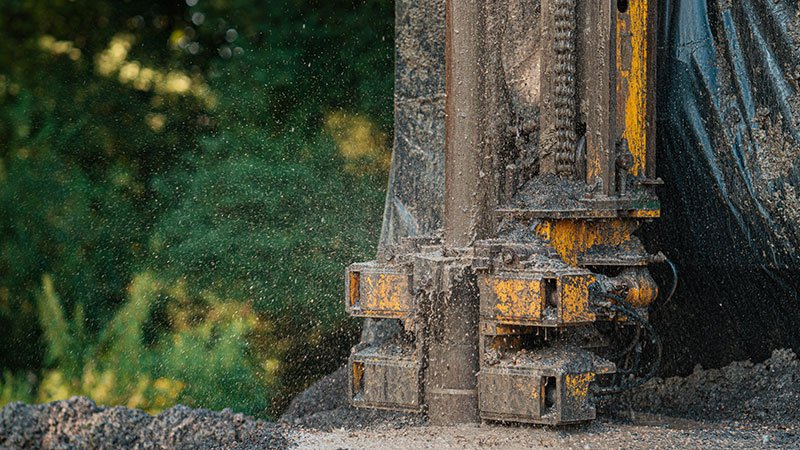
Your drilling method can make or break your project. While many options exist, auger drilling remains popular for specific applications. But is it right for your needs?
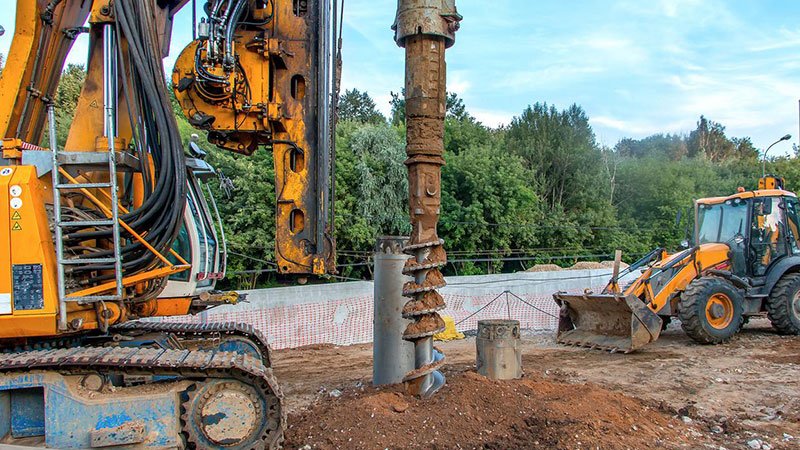
Auger drilling is a method that uses a rotating helical screw to penetrate, cut, and remove soil or soft materials from the ground. It's commonly used in construction, environmental sampling, and shallow water wells, especially in unconsolidated soils up to depths of 30-50 meters.
From my years helping clients choose drilling methods, I've seen both successes and failures with auger drilling. Let's explore when it works best and when you should consider alternatives.
How Does It Work?
Understanding the mechanics helps you make better decisions about using auger drilling. The process is straightforward but requires attention to detail for best results.
The auger drilling process involves three main steps: penetration as the rotating auger cuts into the soil, material transport up the flights, and discharge at the surface. The continuous flight auger (CFA) is the most common type, offering uninterrupted material removal during drilling.
I remember supervising a geotechnical project where the operator's understanding of auger mechanics made a huge difference. By adjusting the rotation speed and downward pressure based on soil conditions, he completed the job in half the expected time.
Types of Auger Systems
Different projects require different auger types. Here are the main categories:
- Continuous Flight Augers (CFA): One continuous spiral from top to bottom
- Hollow Stem Augers: Include a central tube for sampling or installing wells
- Short Flight Augers: Used for harder materials or when precise depth control is needed
Components and Equipment
The basic setup includes:
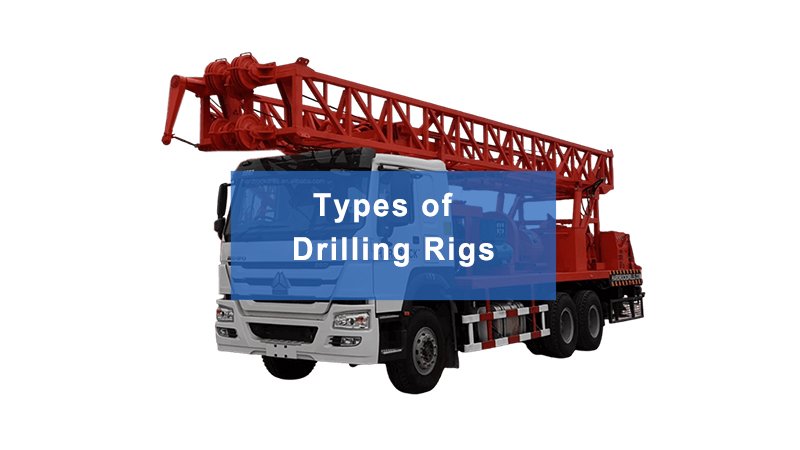
- Power unit (usually truck-mounted)
- Drive head
- Auger flights
- Cutting head
- Extension rods (for deeper holes)
When is Auger Drilling Typically Used?
Matching the drilling method to your project conditions is essential. Auger drilling shines in specific situations but isn't suitable for all.
Auger drilling is most effective in cohesive soils, sand, and clay. It's commonly used for foundation investigations, environmental sampling, shallow water wells, and fence post holes. The method typically works best at depths under 50 meters in relatively soft, unconsolidated materials.
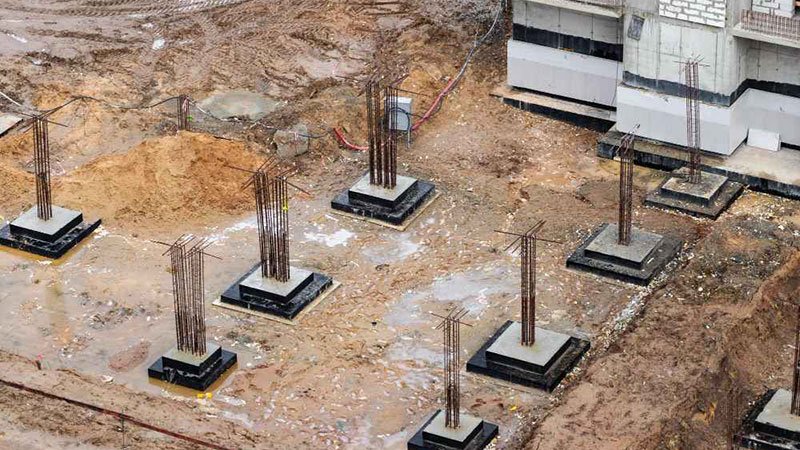
Last year, I advised a client on a large commercial building project. The site's clay-heavy soil was perfect for auger drilling, allowing them to complete 200 foundation holes in just two weeks.
Common Applications
| Application | Typical Depth | Best Soil Conditions |
|---|---|---|
| Foundation Holes | 5-30m | Clay, Sand |
| Environmental Wells | 10-40m | Soft Sediments |
| Fence Posts | 1-3m | Any Soil |
| Soil Sampling | 5-50m | Unconsolidated |
What are the Pros and Cons of Auger Drilling?
Every drilling method has its strengths and limitations. Understanding these helps you make informed decisions for your project.
Auger drilling offers fast operation, low cost, and simple equipment maintenance. However, it's limited by depth capabilities, isn't suitable for hard rock, and can have accuracy issues in very loose soils. The method also provides less precise geological information compared to core drilling.

Advantages
- Fast drilling rates in suitable soils
- Lower equipment and operating costs
- Simple operation and maintenance
- Minimal drilling fluid required
- Good for shallow applications
Limitations
- Depth limitations (usually <50m)
- Not effective in hard rock
- Can have deviation issues
- Limited geological information
- Potential collapse in unstable soils
How Do I Know if Auger Is the Best Option for My Project?
Choosing the right drilling method requires careful consideration of multiple factors. Let's analyze what makes auger drilling the right (or wrong) choice.
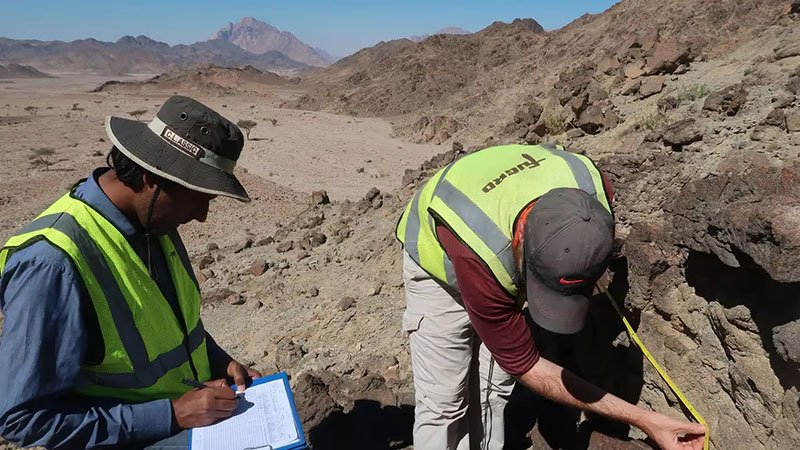
To determine if auger drilling suits your project, evaluate your soil conditions, required depth, sample quality needs, and budget constraints. Auger drilling is ideal for shallow depths in soft soils when detailed stratigraphy isn't critical and cost-effectiveness is important.
Decision Factors to Consider
- Geological Conditions
- Soil type and consistency
- Presence of rock or cobbles
- Groundwater conditions
- Project Requirements
- Required depth
- Sample quality needs
- Hole diameter specifications
- Timeline constraints
- Economic Factors
- Equipment availability
- Operating costs
- Project budget
- Local contractor expertise
At Hardrock, we often conduct site visits to help clients make this decision. Recently, we saved a client considerable money by identifying that their soil conditions were perfect for auger drilling, allowing them to use a simpler and less expensive method than they had planned.
Conclusion
Auger drilling offers an efficient, cost-effective solution for many shallow drilling projects in suitable soils. Understanding its capabilities and limitations helps you make the right choice for your specific needs.