Ever wonder how we access resources deep underground? The process can seem complex and mysterious. This guide explains the many essential jobs that a single piece of machinery, the drilling rig, performs.
A drilling rig is a machine used to create holes, called boreholes, in the earth's surface. Its primary uses include exploring for and extracting oil, gas, water, and minerals, as well as enabling construction projects, geothermal energy development, and scientific research.
These machines are the unseen heroes behind our modern world. From the fuel in our cars to the water from our taps, drilling rigs make it all possible. I've spent my career building and supplying these rigs, and I want to show you the incredible variety of tasks they handle. Let's explore the many uses of a drilling rig.
What is the Fundamental Purpose of a Drilling Rig?
Confused by what a drilling rig is and why it's so important? It's more than just a big machine. Understanding its role is key to grasping how we develop our world.
A drilling rig's purpose is to bore holes into the ground to access or investigate the subsurface. It is essential for discovering and extracting natural resources, creating foundations for large structures, and gathering vital geological data for science and engineering projects.
What is a Drilling Rig?
A drilling rig is a complex system of equipment designed to drill a hole. At its core, it has a derrick or mast to support the drilling tools, a power system to drive the operation, and a system for circulating fluid to clear out debris and cool the drill bit. From my experience at Hardrock, we design rigs with different components based on their specific job, whether it's a simple water well or a deep oil exploration project.
Why Are Drilling Rigs Essential?
Without drilling rigs, we couldn't access most of the earth's hidden resources. They are the first step in the supply chain for energy, minerals, and even drinking water. They also provide crucial information for engineers to build safely. The world's infrastructure, from skyscrapers to bridges, relies on the data and foundations that drilling rigs provide.
Types of Drilling Rigs by Operation
Rigs can be categorized by where they work. Each type is engineered for its unique environment.
| Rig Type | Environment | Common Applications |
|---|---|---|
| Land Rigs | Onshore | Oil/gas, water wells, mining, geothermal, construction. |
| Offshore Rigs | Marine (Jack-ups, Semi-submersibles, Drillships) | Deepwater oil and gas exploration and production. |
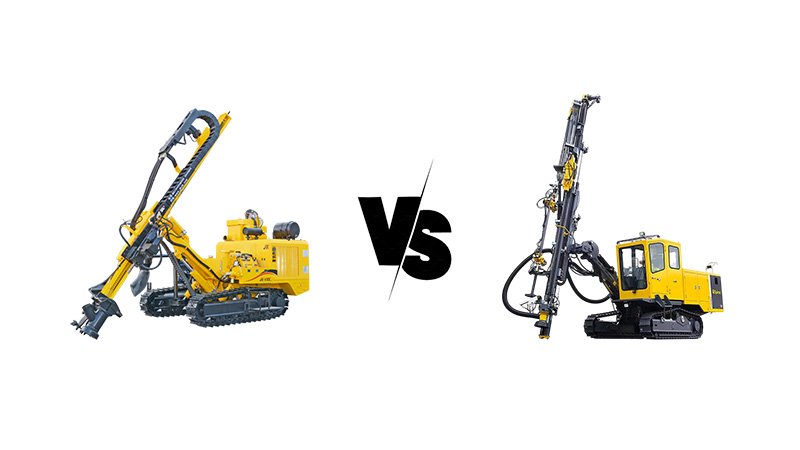
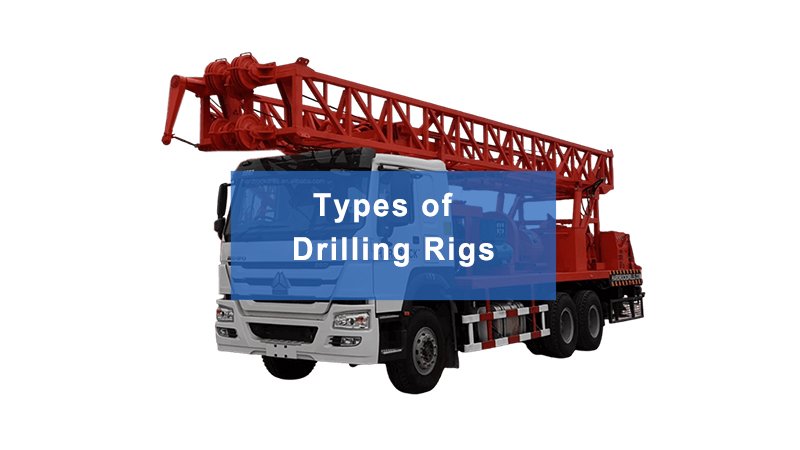
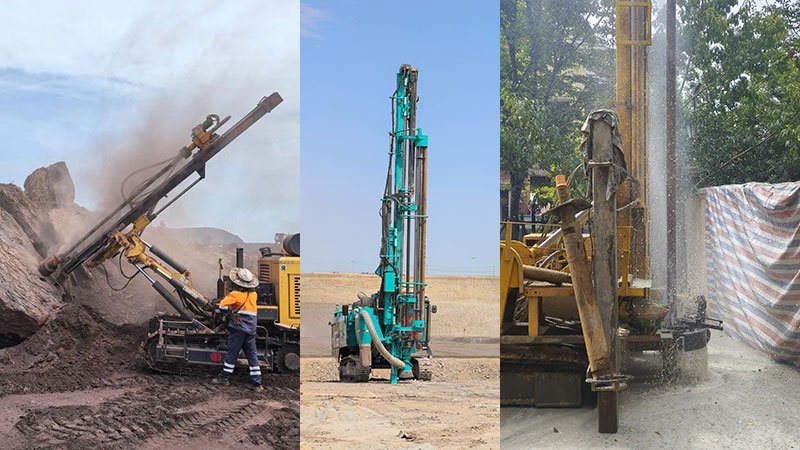
| Portable Rigs | Various (truck-mounted or tracked) | Water wells, geotechnical surveys, mineral exploration. |
How Are Drilling Rigs Used in Oil and Gas Exploration?
Think oil and gas just comes out of the ground? Finding it is a huge challenge. Drilling rigs are the only tools that can confirm if a new energy field actually exists.
In the oil and gas industry, drilling rigs are used to drill exploration wells to find new deposits (upstream exploration), develop those fields for production, and access reserves in deepwater environments using specialized offshore rigs. They are fundamental to the entire energy extraction process.
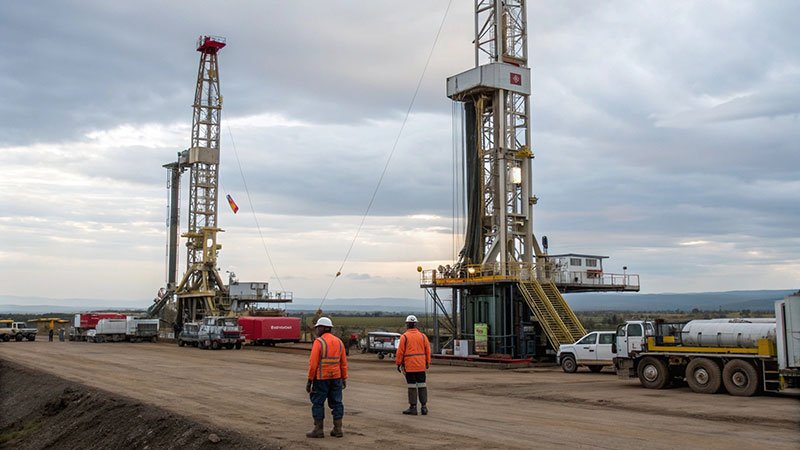
I’ve supplied many rigs to partners in the Middle East, and the process is always fascinating. They use geological data to guess where oil might be, but only a drilling rig can prove them right.
Upstream Exploration: Finding New Fields
This is the first step. Geologists identify a promising area, and an exploration rig is brought in to drill a "wildcat well." This well's purpose is purely informational. It confirms the presence of oil or gas and provides core samples that tell us about the quality and size of the reservoir.
Offshore Drilling: Deepwater Energy Extraction
When the reserves are under the ocean, we use massive offshore rigs. These can be floating platforms or ships that drill in water thousands of meters deep. They are engineered to withstand harsh ocean conditions while performing the same function as a land rig.
Well Development and Production
Once a field is confirmed, more rigs are brought in to drill production wells. These are the wells that will extract the oil or gas for years. The rig's job is to create a stable and efficient borehole that can be cased and prepared for long-term production.
How Do Rigs Help in Geothermal Energy Development?
Want to use the Earth's natural heat for power? You can't just dig a hole. Accessing geothermal energy requires specialized drilling in very tough conditions.
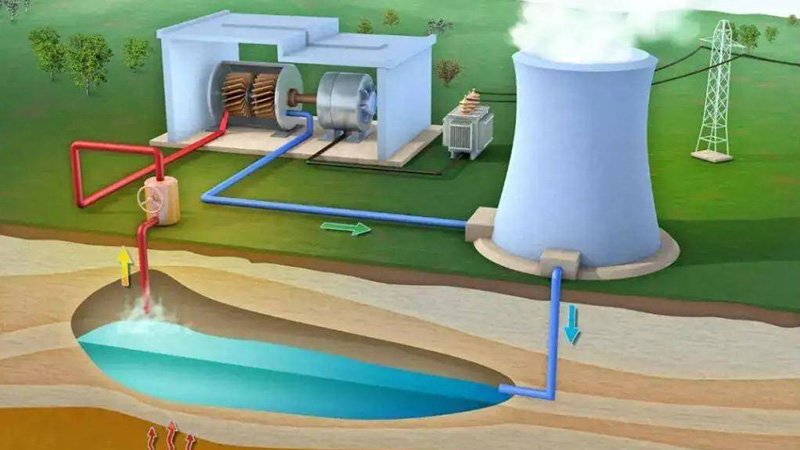
Drilling rigs are essential for geothermal energy. They drill deep production and injection wells to access underground reservoirs of hot water or steam, which is then used to turn turbines and generate clean, renewable electricity.
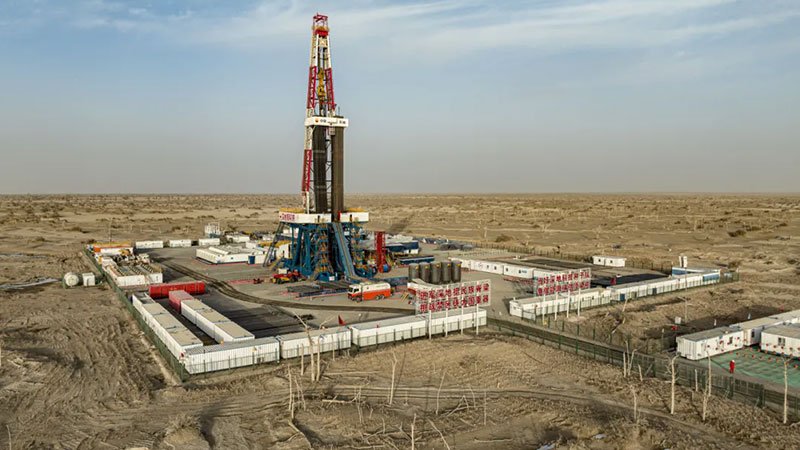
Geothermal drilling is a growing field, and it pushes our technology to the limits. The heat and abrasive rock create a difficult environment for any machine.
Harnessing Earth's Heat: Geothermal Wells
Geothermal power plants work by pumping hot water or steam from deep underground. A drilling rig is needed to create a pair of wells: a production well to bring the hot fluid to the surface, and an injection well to return the cooled fluid back into the reservoir, creating a sustainable loop.
High-Temperature Drilling Challenges
Drilling for geothermal energy is not easy. Rigs and their tools must withstand extreme temperatures (over 300°C or 572°F) and drill through very hard, often volcanic, rock. Our rigs at Hardrock that are destined for geothermal projects are built with high-strength steel and specialized cooling systems to handle these conditions and ensure reliability.
Examples of Geothermal Drilling Projects
Countries along the Pacific Ring of Fire, like Iceland, Indonesia, and parts of the United States, are leaders in geothermal energy. These projects use powerful drilling rigs to tap into the volcanic heat deep below the surface, providing a constant source of clean power for thousands of homes.
What is the Role of Rigs in Water Well Drilling?
Need access to clean water where there are no pipes? It's a critical problem for many communities. Drilling rigs provide a direct and life-saving solution by tapping into groundwater.
Drilling rigs are used to create water wells, or boreholes, that access underground aquifers. This provides a reliable source of clean water for drinking in rural and urban areas, agricultural irrigation, and for monitoring groundwater quality and levels.
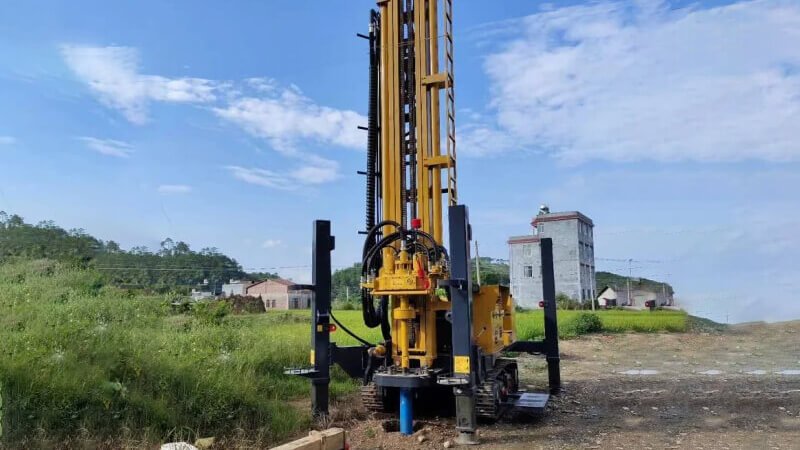
This is one of the most rewarding parts of my business. I've worked with clients like Mohammed in the UAE who drill water wells that transform communities and support agriculture in the desert.
Rural and Urban Water Supply
In many parts of the world, groundwater is the only source of fresh water. Portable, truck-mounted drilling rigs can easily travel to remote villages to drill community wells. Even in cities, wells can supplement the municipal supply or provide water for large facilities.
Agricultural Irrigation Wells
Farms need huge amounts of water. A dedicated irrigation well, drilled by a powerful rig, can support entire farming operations, allowing crops to grow in dry regions and ensuring a stable food supply. These wells are often wider and deeper to provide a higher volume of water.
Groundwater Monitoring
Drilling rigs are also used for environmental protection. We drill smaller monitoring wells around industrial sites or landfills to take water samples. This helps scientists check for contamination and ensure that our groundwater sources remain clean and safe.
How Are Rigs Used in Mining and Mineral Exploration?
How do mining companies find valuable metals buried underground? It's not a matter of luck. They use drilling rigs to systematically explore and map out mineral deposits with precision.
In mining, drilling rigs are used for core drilling to extract rock samples for analysis, helping to locate and define ore bodies. They are also used for blast hole drilling in open-pit mines to prepare the rock for excavation.
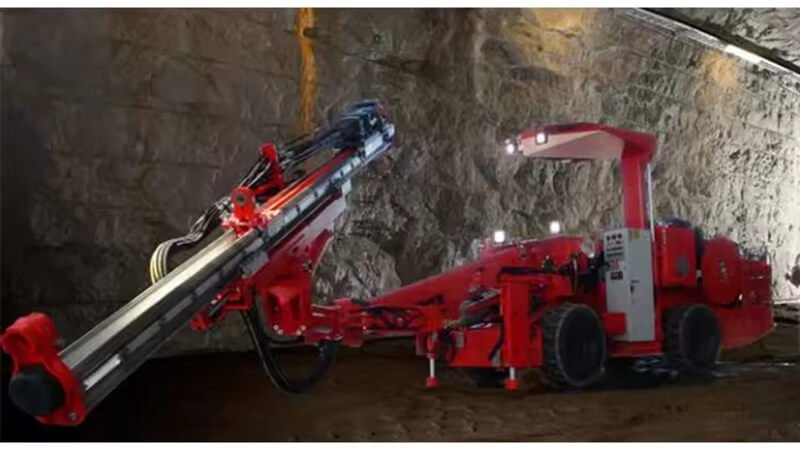
Some of my most rugged rigs are sent to mining clients in Africa and Australia. These machines have to work 24/7 in harsh conditions to keep the exploration and production cycle moving.
Core Drilling for Mineral Samples
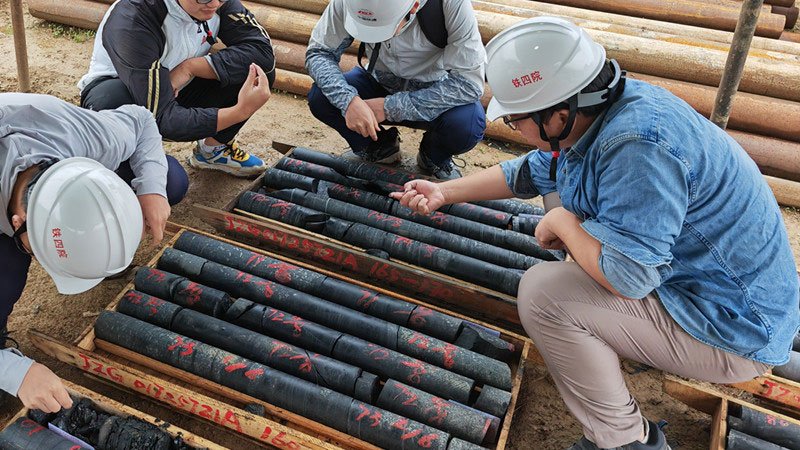
This is the key to exploration. A core drilling rig uses a special diamond bit to cut a long, cylindrical sample of rock, called a core. Geologists analyze this core to identify the type, grade, and quantity of minerals like gold, copper, or iron.
Blast Hole Drilling in Open-Pit Mines
In large surface mines, like quarries, the rock is too hard to just dig out. So, powerful drilling rigs drill a pattern of deep holes, called blast holes. These holes are then filled with explosives. The controlled blast fractures the rock, making it easy for excavators to load and transport.
Exploration for Rare Earth and Metals
The demand for modern technology, like smartphones and electric cars, has increased the need for rare earth elements. Exploration rigs are at the forefront of this search, drilling in remote locations to find the new deposits needed for our green energy future.
What Do Drilling Rigs Do in Construction and Civil Engineering?
Ever wonder how skyscrapers stay up or how bridges cross wide rivers? The answer lies underground. Drilling rigs are crucial for creating the deep, stable foundations these massive structures need.
In construction, drilling rigs are used for foundation drilling to create holes for piles and anchors. They are also used for geotechnical drilling to test soil and rock conditions before a project begins, ensuring the ground is safe to build on.
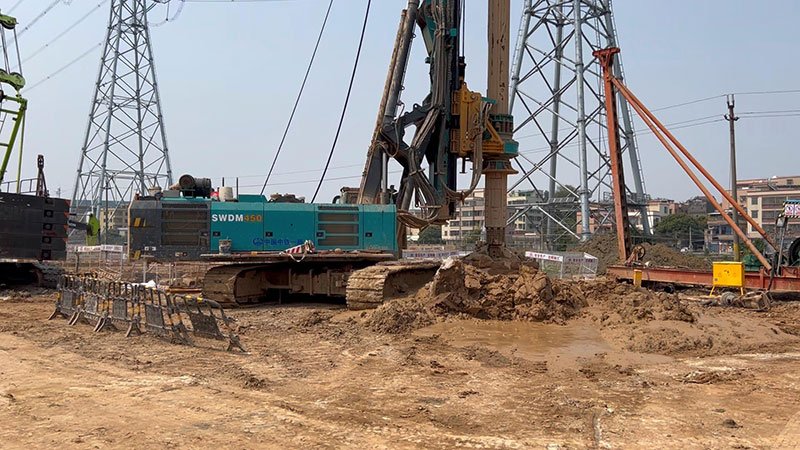
This is a huge market for our foundation drilling rigs. Engineers need to be absolutely certain about the ground they are building on. Our rigs help provide that certainty.
Foundation Drilling for Buildings and Bridges
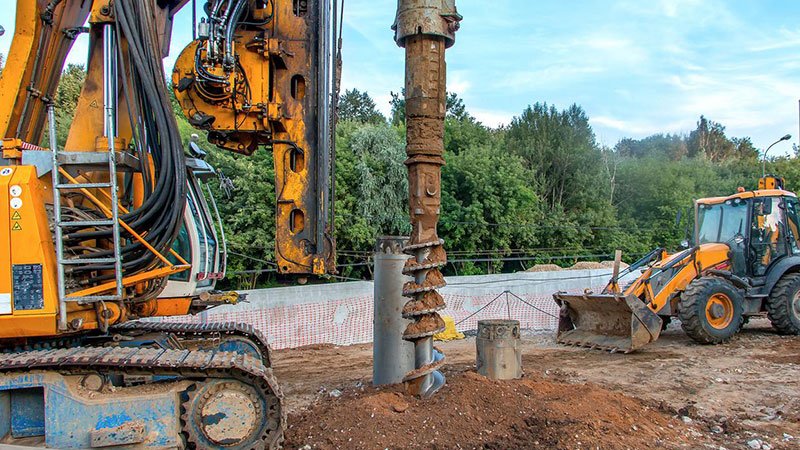
Tall buildings and long bridges put immense pressure on the ground. To ensure stability, drilling rigs create deep holes that are then filled with concrete and steel to form piles. These piles transfer the structure's weight to solid bedrock deep underground.
Geotechnical Drilling and Soil Testing
Before any major construction, a geotechnical investigation is required. Smaller, portable drilling rigs are used to take soil and rock samples from the site. Engineers test these samples in a lab to understand the ground's strength and stability, which determines the foundation design.
Tunneling and Infrastructure Projects
Specialized drilling rigs are also used in large infrastructure works. For example, horizontal drilling rigs are used to create tunnels for subways, utilities, and roadways. Other rigs are used to stabilize slopes alongside highways by drilling holes for rock bolts.
How Do Rigs Support Environmental and Scientific Research?
How do scientists study ancient climates or track underground pollution? They can't just use a shovel. They rely on highly specialized drilling rigs to collect data from deep within the earth and ice.
For environmental and scientific purposes, drilling rigs are used to take soil and groundwater samples for contamination assessment, extract ice or sediment cores for climate research, and install instruments for hydrological or seismic monitoring.
While it's a smaller part of our business, it's always exciting to see our rigs used for scientific discovery. The precision required is incredible.
Environmental Site Assessment
When a property is suspected of contamination, environmental drilling rigs are used to take samples of soil and groundwater. This helps experts map the extent of the pollution and develop a plan for cleanup, or remediation. These rigs are designed to be clean to avoid cross-contamination of samples.
Scientific Boreholes for Research
Scientists drill deep into the earth's crust and polar ice sheets to understand our planet's history. Rigs extract long core samples that contain records of past climates, geological events, and even ancient life. These boreholes provide invaluable data that is impossible to get any other way.
Hydrological and Seismic Monitoring
To understand earthquakes and groundwater systems, scientists need to place sensors deep underground. Drilling rigs create the boreholes where these sensitive instruments, like seismometers and piezometers, are permanently installed for long-term data collection.
Offshore vs. Onshore Rigs: How Do Their Applications Differ?
Is drilling on land the same as drilling at sea? Absolutely not. The environment dictates everything, from the rig's design to its cost and the entire operation.
Onshore rigs operate on land and are used for a wide range of applications, including water, mining, and oil. Offshore rigs operate in marine environments, are far more complex and expensive, and are primarily used for deepwater oil and gas extraction.
As a manufacturer, I know that a rig built for the plains of North America would not last a day in the North Sea. At Hardrock, we have expertise in diverse drilling applications, which allows us to engineer rigs that perform perfectly under these very different conditions.
Operational Differences
Onshore drilling is relatively straightforward. Rigs can be moved by truck and set up on a stable pad. Offshore drilling is a massive logistical challenge. Rigs must be either fixed to the seabed, float in place, and handle storms, waves, and currents, all while being supplied by boat and helicopter.
Cost and Efficiency Factors
The choice of rig is driven by necessity and cost.
| Factor | Onshore Rigs | Offshore Rigs |
|---|---|---|
| Cost | Relatively low capital and operational cost. | Extremely high, costing hundreds of millions of dollars. |
| Mobility | Easily moved between locations on land. | Slow to move; requires specialized vessels. |
| Environment | Exposed to weather, but on stable ground. | Must withstand harsh marine conditions. |
| Application | Very versatile: oil, gas, water, mining, etc. | Almost exclusively for high-value oil and gas. |
Latest Technology Trends
Technology is advancing in both areas. Automation is making rigs safer and more efficient. New sustainable practices are reducing the environmental footprint. For onshore rigs, the trend is toward more mobility and versatility. For offshore, it's about drilling deeper and operating more safely in extreme environments.
Conclusion
Drilling rigs are versatile, essential machines. They find energy, provide water, support construction, and expand our scientific knowledge, proving their indispensable role in nearly every major global industry.